Kansas City · Missouri · Kansas · Online
Pet Loss Grief Therapy

Your Grief Is Real — Even If No One Else Seems to Get It
You knew it was coming, maybe. Or it happened suddenly, without warning. Either way, nothing quite prepares you for the silence after. The food bowl still on the floor. The leash by the door. The spot on the couch that just sits empty.
And then, almost immediately, the world moves on. You go back to work. People offer a kind word and change the subject. Someone — with the best of intentions — says, "It was just a dog." Or suggests you get a new one. As if grief works like a replacement part.
If you've been through this, you know how lonely that feels. And if you're in it right now, I want you to know: what you're feeling is not an overreaction. It is grief. And it deserves to be treated that way.
Why Pet Loss Hits So Hard
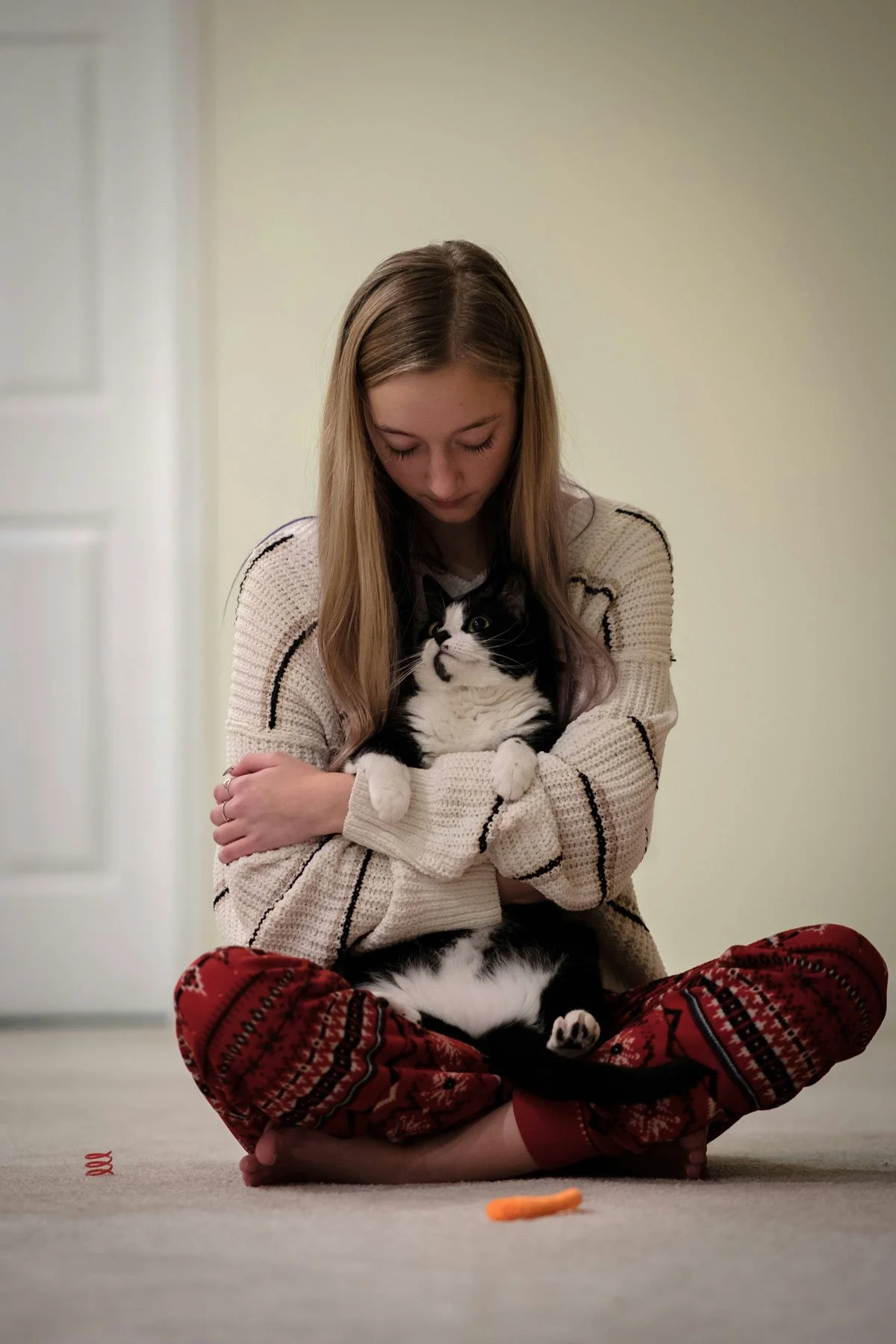
The bond between a person and their pet is a genuine attachment relationship. For many people, a pet is a constant, nonjudgmental presence — the one who's always happy to see you, who sits with you through hard nights, who doesn't care what kind of day you had. That kind of unconditional presence is rare, and losing it leaves a real hole.
A few reasons pet loss can feel particularly acute:
The relationship was uncomplicated. Human relationships, even the best ones, come with friction and complexity. Pets offer something purer — presence without expectation. When that's gone, the loss can feel especially clean and devastating.
Pets are woven into daily life. Your mornings, your walks, your evenings — all of it was built around another living being. Grief after pet loss isn't just emotional. It's structural. Your whole day has to reorganize.
You may have had to make the decision. For many pet owners, the grief is layered with the weight of having chosen euthanasia — even when it was the most compassionate option. Second-guessing that decision is common, and the guilt can be crushing. Choosing a peaceful death for a suffering animal is an act of love, not failure.
The world doesn't validate it. Disenfranchised grief — grief that isn't socially recognized — hits harder and heals more slowly. When you can't openly mourn, the grief has nowhere to go.

What Pet Loss Grief Can Look Like
Grief rarely looks the way we expect it to. After losing a pet, you might experience:
Deep sadness that comes in waves, sometimes triggered by small things
Guilt — especially if you had to make end-of-life decisions
Anger at the vet, at yourself, at the unfairness of it
Physical symptoms: fatigue, changes in appetite or sleep, difficulty concentrating
A sense of purposelessness, particularly if caregiving was central to your relationship with your pet
Avoiding the places, objects, or routines that remind you of them — or the opposite, holding on to everything
All of this is normal. All of it is grief doing what grief does.

When It Might Be Time to Talk to Someone
Most people move through pet loss grief with time, support, and space to feel it. But sometimes the grief gets stuck — or it activates something deeper that was already there.
It might be worth reaching out to a grief therapist if:
The grief feels overwhelming or isn't lifting after several weeks
You're isolating yourself or withdrawing from the people around you
You're experiencing persistent guilt, shame, or self-blame
The loss has stirred up older grief — a previous loss, a difficult relationship, something unresolved
You don't feel like you have anyone who truly understands what you're going through
Therapy isn't only for crisis. It's for grief that deserves more space than everyday life offers.
How Grief Therapy Can Help
Working with a therapist who specializes in grief gives you a place to bring the full weight of this loss without editing yourself. No minimizing. No "at least." Just room to feel it, name it, and start to move through it.
In our work together, we might explore:
What this pet meant to you — and what the relationship gave you that's hard to find elsewhere
The guilt or complicated feelings that are making the grief heavier
How this loss connects to other losses in your life
What honoring this relationship looks like as you move forward
For some clients, EMDR can also be helpful — particularly when the grief is tangled up with a traumatic loss (a sudden death, a difficult euthanasia, finding a pet after an accident). EMDR helps process the images and memories that keep replaying, so they lose some of their rawness.
Your Grief Is Valid — Whatever Anyone Else Says
Losing a pet is losing a relationship. It's losing a daily companion, a source of comfort, a living reminder that you are loved without condition. That is not a small thing. That is not something to get over quickly or quietly.
If the people around you don't fully understand why this is hitting you so hard, that's okay. I do. And I'd consider it a privilege to help you carry it.
I offer online therapy to adults across Missouri and Kansas, including the Kansas City area — and grief therapy is one of the things I care most deeply about. A free 15-minute consultation is a gentle first step, with no pressure and no commitment.
If you're wondering whether what you're feeling is normal, this might help:
Blog Post: Coping with Pet Loss: Why it Hurts and Why it Matters