Online counseling for adults navigating no-contact with a parent
Therapy to heal from Parental Estrangement and Trauma

Support for Adults Navigating Parental Estrangement or Who Have Gone No-Contact with a Parent
Choosing distance from a parent is rarely simple. For many people experiencing parental estrangement, the decision comes after years of emotional harm, unmet needs, or repeated boundary violations. Even when the choice is necessary, it can bring waves of guilt, grief, anger, and second-guessing.
Therapy offers a space to unpack what led you here, tend to the emotional fallout, and move forward with greater clarity and self-trust.
When Distance from a Parent Feels Heavy

Ending or limiting contact with a parent can feel both relieving and devastating at the same time. Many adults carry conflicting emotions, including:
Grief for the parent-child relationship you hoped for
Guilt for prioritizing your own well-being
Fear of being judged or misunderstood
Doubt about whether you made the “right” choice
Loneliness during holidays or milestones
Therapy is not about forcing reconciliation or pushing you toward permanent separation. It is about helping you feel grounded and supported in whatever choice protects your emotional health.
Read More about the Root of Parental Conflict:
Navigating the Minefield of Adult Child-Parent Conflict
More on estrangement:
How Long Does Family Estrangement Last?
Should You Reconcile With an Estranged Family Member?
Setting Boundaries With Family Without Going No-Contact
Grieving a Parent Who Is Still Alive
Coping With Family Estrangement During the Holidays
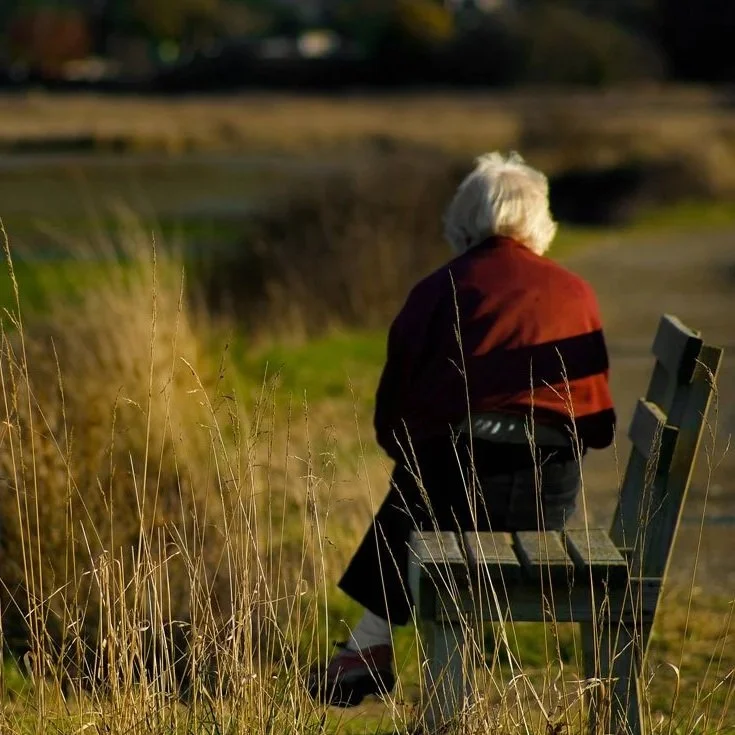
For Parents of Estranged Adult Children
When Your Adult Child Has Pulled Away
If your adult child has gone quiet — or cut off contact completely — you may be carrying a grief that's hard to describe and even harder to share. Friends don't know what to say. Much of what you find online seems to assume the worst about you. And the questions loop at 3 a.m.: What did I do? Should I reach out again? Will I see my grandchildren?
Estrangement from an adult child is one of the most isolating experiences a parent can face. The grief is real, and it's complicated — because the person you're grieving is still alive.
Therapy gives you a place to set that weight down. Together, we can work on:
Processing the shock, grief, and anger — without judgment
Understanding what may have driven the distance, even when no one has explained it
Responding to limited contact in ways that don't push your child further away
Holding onto your own dignity and boundaries while staying open
Building a meaningful life even while the relationship is uncertain
I don't take sides in estrangement. My role isn't to decide who's right — it's to help you heal, whatever happens next.
What if You Are No-Contact and Still Struggling?

Even when no-contact is the healthiest option, many people are surprised by how much grief lingers. You may miss the idea of a parent, feel isolated from extended family, or question yourself during moments of vulnerability.
Therapy helps you:
Hold grief without reopening old wounds
Develop confidence in your decision
Prepare for future contact if it ever becomes necessary
Navigate social pressure or family messaging
Create rituals and supports that replace what was lost
For many clients navigating parental cutoffs, healing does not come from changing the parent. It comes from changing how much power the relationship still holds.
Common Reasons Adult Children Create Distance
Every situation is unique, but many clients seek therapy after long-standing patterns such as:
Chronic emotional invalidation or criticism
Manipulation, control, or boundary violations
Emotional neglect or parentification
Ongoing conflict that never resolves
A history of abuse or trauma
Repeated attempts to repair that were ignored or dismissed
Creating space is often a last resort, not an impulsive decision.
How Therapy can Help You Navigate Estrangement
Therapy can help you make sense of what you are carrying now, not just what happened then.
Together, we may work on:
Processing grief for the relationship you did not have
Reducing shame and self-blame tied to family expectations
Learning to tolerate mixed emotions without judgment
Strengthening boundaries without constant anxiety
Reclaiming your identity outside of family roles
Building healthier relationships elsewhere

EMDR and Trauma-Informed Support
Distance from a parent often activates deep emotional memories stored in the nervous system.
EMDR Therapy
EMDR can help reprocess painful interactions, reduce emotional reactivity, and shift internal beliefs such as “I’m selfish” or “I’m unlovable.”
Learn more about EMDR Therapy
Trauma-Informed Therapy
We move at your pace, focusing on safety, regulation, and choice rather than forcing insight or forgiveness.
FAQs
Can a therapist help with family estrangement?
Yes. A therapist won't push you toward or away from reconciliation. That decision is yours. What therapy can do is help you process the grief and anger, set boundaries that protect your peace, navigate holidays and family events, and figure out what kind of contact, if any, is right for you.
Do I have to justify my decision in therapy?
No. Therapy is about understanding and supporting you, not building a case for anyone else.
How long does family estrangement last?
There's no fixed timeline. Some estrangements last months, others span years or a lifetime, and many shift over time, with periods of distance followed by limited or renewed contact. Therapy helps with the part you can control: your own healing while the relationship remains uncertain.
What is estrangement therapy?
Estrangement therapy is counseling focused on the unique grief, guilt, and identity questions that come with family estrangement, whether you created distance for your own wellbeing, someone cut you off, or you're somewhere in between. It's support for processing a loss most people don't understand, with or without reconciliation.
Is it okay to grieve someone who is still alive?
Absolutely. This is one of the most common and misunderstood forms of grief.
What if I feel guilty all the time?
Guilt is common, especially for adult children conditioned to prioritize parents over self. Therapy helps loosen that pattern.
Can therapy help even if the parent will never change?
Yes. Healing focuses on your nervous system, boundaries, and internal experience.

Attend sessions from a private, emotionally safe space
No commute or scheduling stress
Consistent support across Missouri and Kansas
Ideal for emotionally intense family topics
Why Online Therapy Works for Family Healing?
With over 25 years of experience in grief and trauma work, Sara Wilper provides compassionate, grounded support for adults navigating complex family relationships.
This work honors the full picture: love, loss, anger, relief, and longing can all coexist. Therapy is a place where none of it has to be minimized or explained away.
You do not have to carry this alone. Therapy can help you process the grief, clarify your boundaries, and move forward with greater peace and confidence.
Support and Understanding are here for those who are struggling.