
Coping With Pet Loss: Why It Hurts and Why It Matters
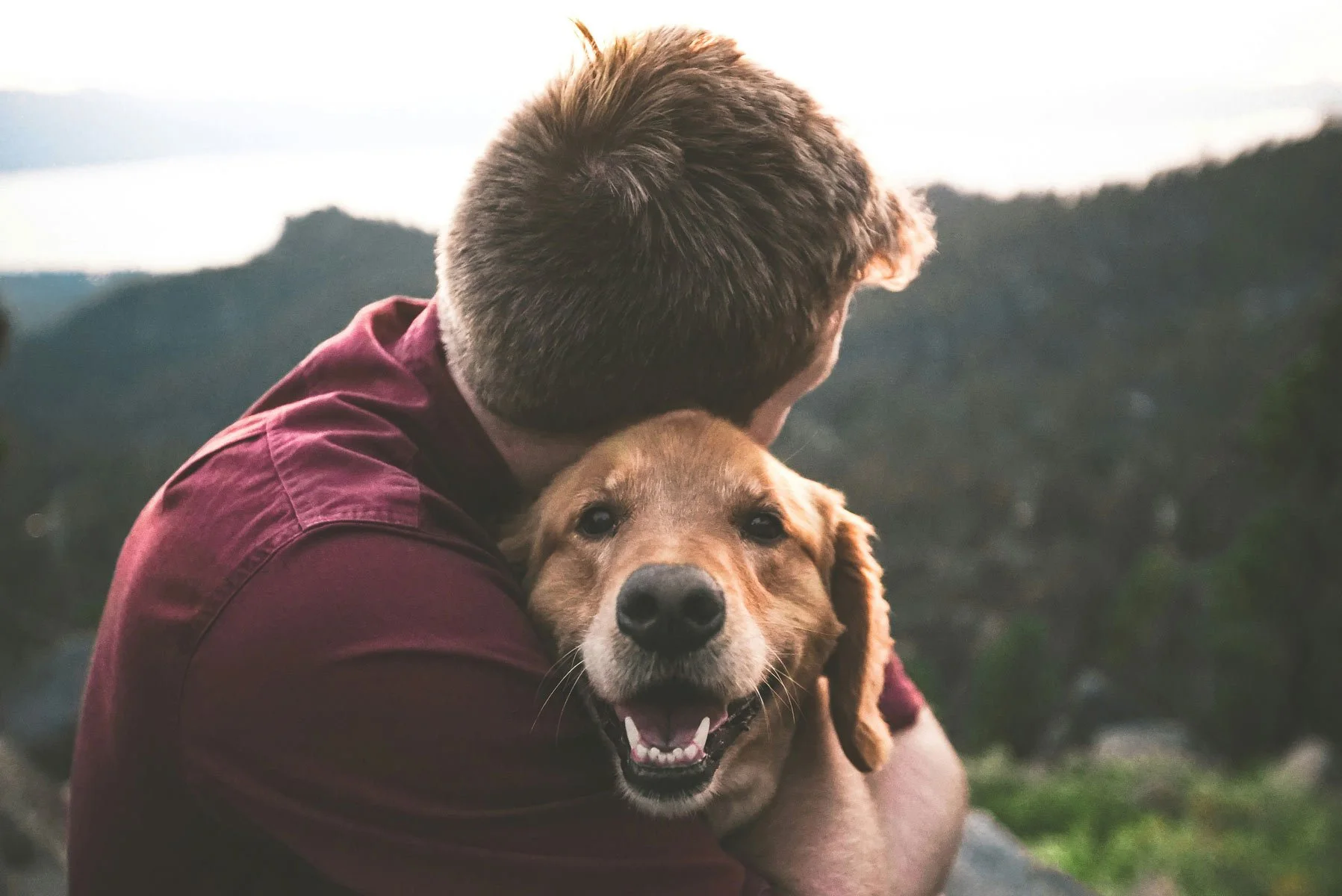
If you are coping with pet loss, you may be surprised by the depth of your pain. The grief can feel overwhelming, consuming, and at times isolating. Many people tell themselves they “should be okay by now,” only to find that the ache of losing a beloved pet lingers far longer than expected.
If this is you, please know this: nothing about your grief is wrong. Losing a pet hurts so much because the bond was real, meaningful, and deeply woven into your daily life.
For so many of us, pets are not “just animals.” They are companions, emotional anchors, routine keepers, and witnesses to our lives.
Why Losing a Pet Hurts So Much
The emotional pain after losing a pet often takes people by surprise. Research shows that grief after losing a pet can be as intense as grief following the death of a human loved one. In the United States, nearly 70 percent of households include a pet, and for many people, that relationship provides consistent emotional support, comfort, and unconditional presence.
Pets are often there through:
Major life transitions
Loneliness, anxiety, or depression
Trauma, illness, or loss
Daily routines that give life structure and meaning
When a pet dies, it is not just the loss of an animal. It is the loss of:
A relationship
A sense of safety
A source of comfort
A daily rhythm
This is why grief over pet loss can feel so destabilizing.
“Is It Normal to Grieve a Pet This Much?”
This is one of the most common questions people ask.
Yes. It is absolutely normal.
Mourning a pet can feel intense because pets often offer something rare: unconditional love without judgment or expectation. There are no complicated family dynamics, no unspoken resentments, no conditions attached. That bond is pure, steady, and deeply regulating to the nervous system.
When it is gone, the absence is felt not only emotionally, but physically.
If you find yourself crying unexpectedly, feeling empty, or struggling to focus weeks or even months later, you are not failing at healing. You are grieving a real loss.
Anticipatory Grief and the Long Goodbye
For many people, grief begins before the loss itself.
Anticipatory grief around pet loss can occur when a pet is aging, chronically ill, or declining. The slow awareness that time is limited can be emotionally exhausting. You may feel sadness, dread, guilt, or even moments of relief mixed with grief.
This kind of grief often goes unrecognized, yet it can be just as heavy as the loss itself. By the time your pet is gone, you may already feel emotionally depleted.
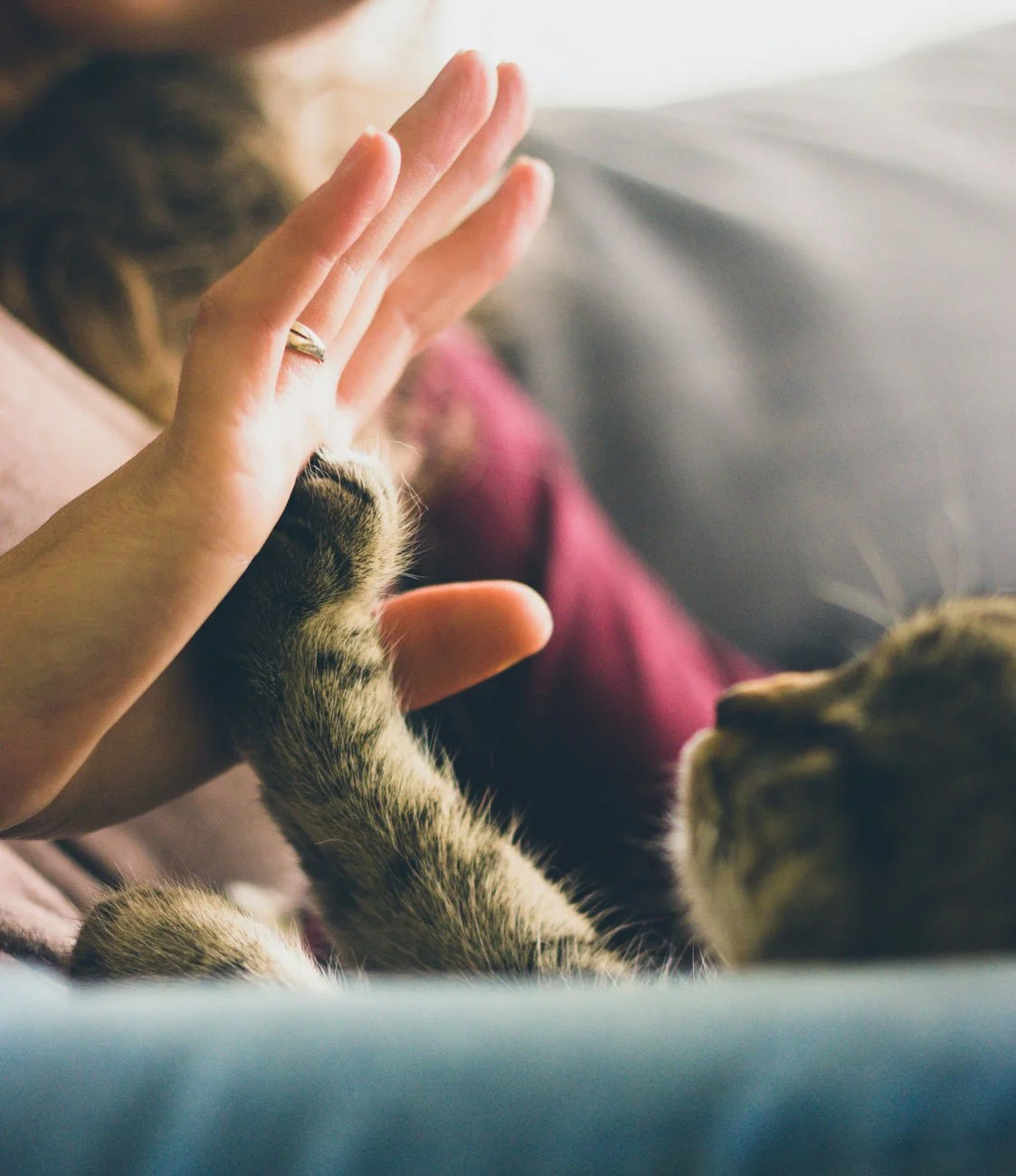
When Coping with Pet Loss Connects to Unresolved Grief
For some people, this type of loss brings up more than just grief about their pet.
Because pets often support us through other painful experiences, their death can reopen unresolved grief connected to:
Past losses or deaths
Childhood emotional neglect
Trauma or abandonment
Times when your pet was your primary source of comfort
The loss of a beloved pet can feel like the final thread holding everything together. When that thread is gone, old grief may resurface in unexpected ways. You may notice emotions that don’t seem directly tied to your pet, such as old sadness resurfacing, heightened anxiety, or a deep sense of emptiness.
This does not mean you are “regressing.” It means your system is responding honestly to layered loss.
Why Pet Loss Grief Is Often Dismissed (and Why That Hurts)
One of the hardest parts of grieving a pet is how unsupported it can feel.
There is often no formal ritual, no bereavement leave, and little space socially to talk about how much it hurts. Many people minimize their own pain because they feel like they should be coping better. That isolation can complicate grief and prolong healing.
People will say things like:
“At least it was just a dog”
“You can always get another pet”
“It’s been a while, shouldn’t you be over it?”
These comments can make people feel ashamed of their grief. This lack of validation often leads people to grieve quietly, which can deepen feelings of isolation.
Support matters. Being seen and understood matters. Grief needs space, not judgment.
Support After Losing a Pet
If grief after losing a pet feels heavy, stuck, or overwhelming, you do not have to navigate it alone. Therapy can provide a place to process the loss without minimizing it, rushing it, or explaining why it matters.
You can learn more about support for grief after losing a pet through pet loss therapy in Kansas and Missouri, where compassionate, trauma-informed care is available for those navigating this kind of loss.
For some people, therapy also becomes a space to gently explore how this loss connects to other unresolved grief, helping the healing process feel more complete and grounded.
On a personal note:
This is a loss so many of us go through, including me.
Dogs have been incredibly important in my life. They have been sources of comfort, grounding, companionship, and unconditional love. The grief that follows their loss is real, and it deserves to be honored, not minimized.
If you are grieving a pet, I want you to know that your pain makes sense. Your bond mattered. Your grief matters.
When You’re Ready for Support
So many of us will experience pet loss at some point in our lives. If you are facing this difficult loss and feel ready for additional support, I’m ready to support you and help you process the grief at your own pace, without pressure to “move on.”
You can learn more about working together through online therapy in Kansas City, Missouri or explore options that feel right for you when you are ready.
Healing does not mean forgetting. It means finding a way to hold the love and the loss together.