
Signs Childhood Trauma Is Affecting Adult Relationships
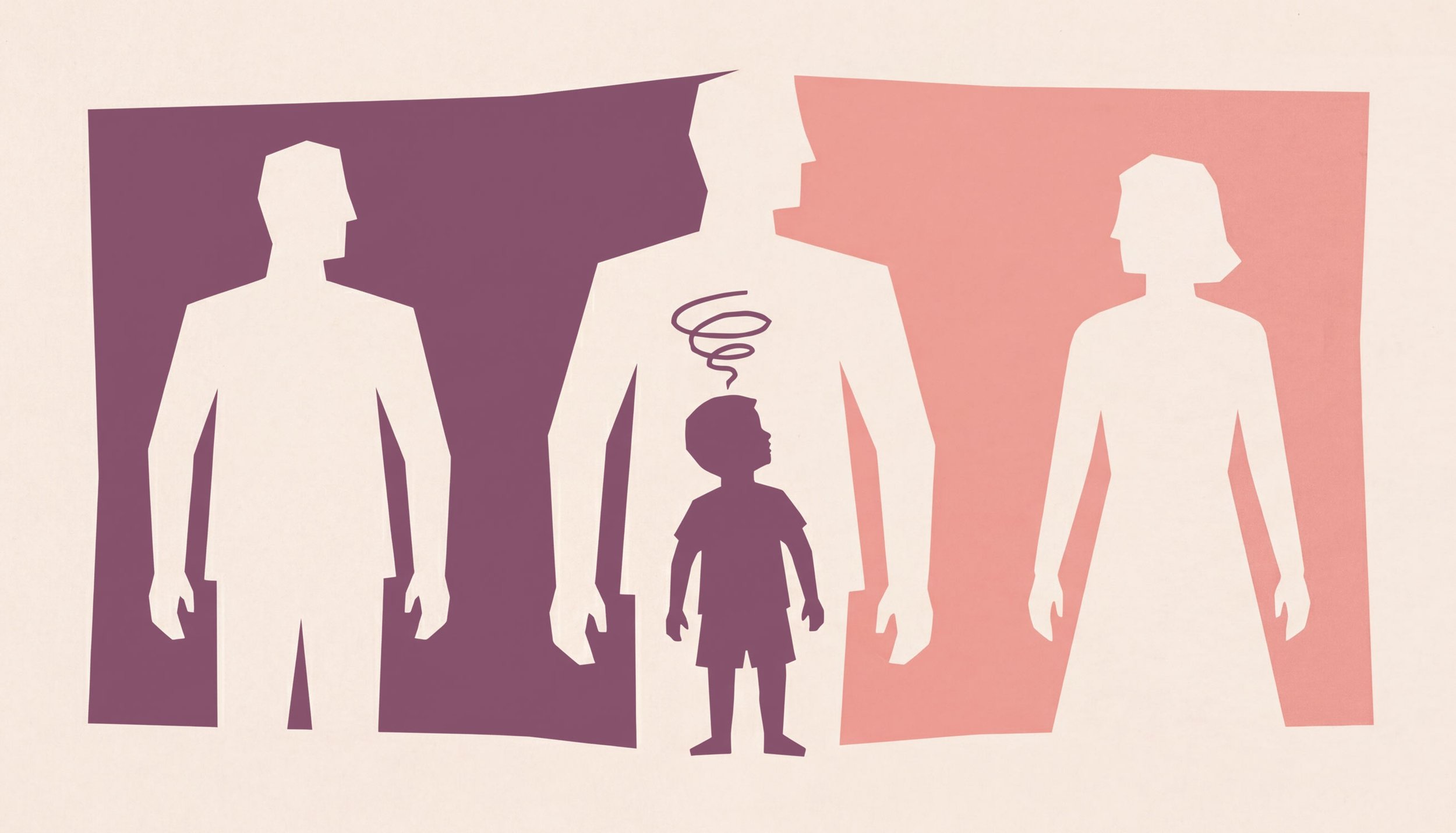
Many adults enter relationships wanting connection, safety, and closeness, yet find themselves stuck in the same painful patterns. Arguments feel bigger than the situation. Trust feels fragile. Emotional distance creeps in even when love is present.
Often, these struggles are not about the relationship itself. They are echoes of childhood trauma showing up in adult connection.
Understanding how early experiences shape adult relationships is not about blame. It is about awareness, compassion, and opening the door to the healing process.
What Counts as Childhood Trauma?
Childhood trauma is not limited to obvious abuse or neglect. Trauma can also come from:
Growing up with emotionally unavailable caregivers
Chronic criticism or unpredictable parenting
Exposure to conflict, addiction, or mental illness in the home
Feeling responsible for others’ emotions at a young age
Repeated experiences of emotional invalidation
When a child’s nervous system learns that relationships are unsafe, inconsistent, or overwhelming, those lessons often carry into adulthood.
Signs Childhood Trauma Is Affecting Your Adult Relationships
1. Fear of Abandonment or Rejection
You may feel intense anxiety when someone pulls away, even briefly. A delayed text or change in tone can trigger panic or rumination. These responses often stem from early experiences of emotional unpredictability.
2. Difficulty Trusting Others
Trust may feel fragile or unsafe. You might assume others will disappoint you, leave, or hurt you, even when there is no clear evidence. This can make intimacy exhausting.
3. People-Pleasing and Weak Boundaries
Many adults with childhood trauma learned that love was conditional. This often shows up as over-giving, difficulty saying no, or losing yourself in relationships to maintain connection.
If this resonates, support through trauma therapy in Kansas City can help you understand where these patterns began and how to change them.
4. Emotional Reactivity or Shutdown
Trauma responses often live in the nervous system. During conflict, you may feel overwhelmed, shut down completely, or react more strongly than you intend. These are not character flaws. They are survival responses.
5. Repeating Unhealthy Relationship Patterns
You may find yourself drawn to emotionally unavailable partners or dynamics that feel familiar but painful. Trauma can make familiar patterns feel safer than healthy ones.
6. Avoidance of Vulnerability
Opening up can feel risky if vulnerability once led to rejection or criticism. You might keep relationships surface-level or pull away when emotional closeness increases.
How Childhood Trauma Affects Emotional Well-Being
Unresolved childhood trauma does not stay in the past. It can impact:
Self-worth and identity
Emotional regulation
Communication and conflict resolution
Attachment and intimacy
Many clients notice symptoms of anxiety, depression, or emotional numbness alongside relationship struggles. Support through anxiety therapy or depression therapy can be an important part of stabilizing emotional well-being while deeper healing work happens.
The Healing Process: Moving Toward Safer Relationships
The healing process does not require reliving every painful memory. Instead, it focuses on helping your nervous system feel safer in the present.
Healing often includes:
Understanding attachment and trauma patterns
Learning emotional regulation skills
Strengthening boundaries and communication
Releasing internalized beliefs about worth and safety
Building healthier relationship experiences over time
Modalities like EMDR therapy can be especially effective for processing trauma that continues to show up in adult relationships.
How Therapy Supports Resilience and Connection
Therapy offers a consistent, supportive space to explore how childhood trauma is affecting your relationships today. Over time, therapy can help you:
Identify unconscious relational patterns
Process trauma safely and gently
Build emotional awareness and regulation
Develop healthier attachment and trust
Strengthen resilience in relationships
Many clients choose online therapy in Kansas City for flexible, confidential support that fits into real life.
You Are Not Broken
If childhood trauma is affecting your relationships, it does not mean something is wrong with you. It means your system learned how to survive. With support, those survival strategies can evolve into skills that support connection, safety, and fulfillment.
Healing is possible. So is building relationships that feel steady, supportive, and emotionally safe.