
Why Current Events Can Increase Your Anxiety
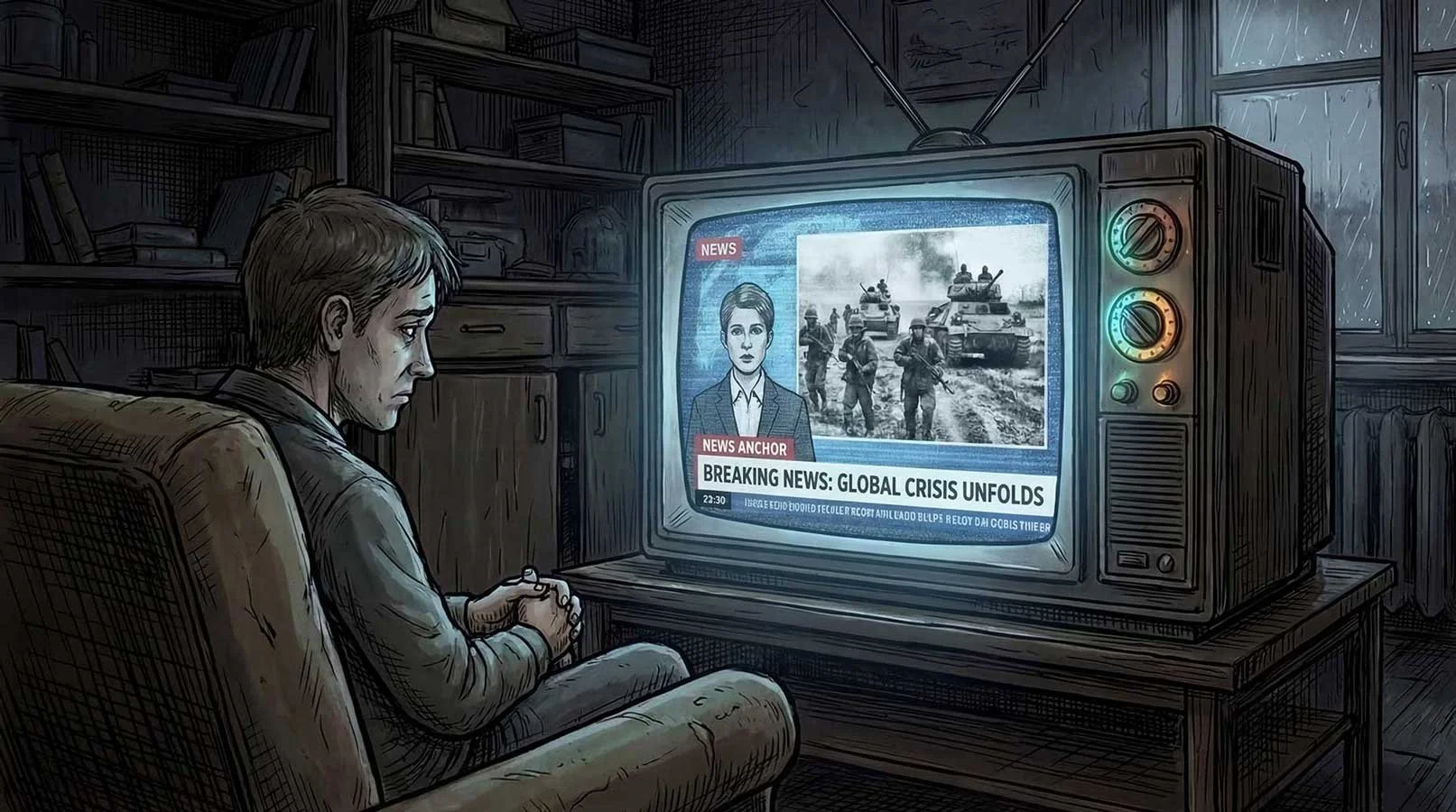
There are moments when the world feels heavier than usual. News alerts pile up on your phone. Social media fills with conflict, tragedy, and uncertainty. Conversations with friends and family feel tense or overwhelming.
If you’ve noticed your anxiety increasing during times like these, trust me, you are not imagining it.
Many people experience heightened stress when the world around them feels unpredictable. Even events that are happening far away can affect how safe, hopeful, or grounded we feel in our daily lives.
Understanding why current events increase anxiety can help you respond with more compassion toward yourself and find healthier ways to cope.
Why Current Events Can Trigger Anxiety
Humans are wired to pay attention to threats. This survival instinct helped our ancestors stay safe, but in today's world it can be easily overwhelmed by a constant stream of information.
When major events dominate the news cycle, several things happen in the nervous system.
Constant exposure keeps the brain in threat mode
The brain does not always distinguish between a threat happening nearby and something happening on a screen. When you repeatedly see alarming headlines or images, your body may react as if the danger is immediate.
This can lead to symptoms like:
Racing thoughts
Trouble sleeping
Muscle tension
Irritability
Difficulty concentrating
Feeling on edge all the time
Uncertainty increases stress
Events such as political conflict, economic instability, public health concerns, or violence create a sense of unpredictability. The human brain prefers clarity. When the future feels uncertain, anxiety naturally rises.
Social media amplifies emotional intensity
Many people are exposed to the same stressful information dozens of times per day through different platforms. Comment sections, debates, and emotionally charged posts can make the stress feel even more personal.
When Current Events Activate Past Trauma
For some people, current events do more than create stress. They can reactivate past trauma.
If you have experienced trauma earlier in life, the nervous system may already be more sensitive to perceived threats. News stories involving violence, injustice, disasters, or loss can bring up feelings that seem larger than the present moment.
You might notice:
Feeling suddenly overwhelmed by fear or anger
Emotional reactions that feel stronger than expected
Difficulty turning off intrusive thoughts
Feeling helpless or powerless
These reactions are not a sign that something is wrong with you. They are signs that your nervous system learned to stay alert in order to survive.
Trauma therapy can help the brain and body process those earlier experiences so that present-day stressors feel less overwhelming.
You can learn more about this work on the trauma therapy page.
Signs Your Anxiety May Be Related to Current Events
Sometimes anxiety linked to the news is subtle. Other times it shows up clearly.
You may notice things like:
Compulsively checking the news or social media
Feeling tense after reading headlines
Arguing more with friends or family about world events
Trouble relaxing even during quiet moments
Feeling emotionally drained or hopeless
If this sounds familiar, you are not alone. Many people experience these reactions during times of global stress or social conflict.
Healthy Ways to Protect Your Mental Health
You do not have to ignore the world in order to care for your mental health. But it can help to create healthier boundaries with information.
Some strategies that often help include:
Limit news exposure
Choose specific times of day to check the news rather than consuming it continuously.
Notice how your body responds
If your shoulders tighten or your breathing becomes shallow while reading headlines, that is your nervous system signaling stress.
Focus on what you can control
Large global events can make people feel powerless. Shifting attention toward personal actions, community support, or meaningful routines can restore a sense of stability.
Create moments of calm
Spending time outside, moving your body, connecting with supportive people, or engaging in creative activities can help regulate the nervous system.
How Therapy Can Help When Anxiety Feels Overwhelming
Sometimes anxiety connected to current events is temporary. Other times it reveals deeper patterns that have been building for years.
Therapy can help you:
Understand why certain events affect you so strongly
Learn tools to regulate your nervous system
Process past experiences that may still be influencing your reactions
Develop healthier boundaries with media and stress
Feel more grounded and resilient during uncertain times
Many people find that trauma-informed therapy allows them to feel calmer and more stable even when the world around them feels chaotic.
If you are curious about this process, you can explore trauma-focused support here:
https://www.sarawilpertherapy.com/trauma-therapy-kansas-missouri
You Are Not Weak for Feeling Affected
One of the most common things people say in therapy is, “I feel like I shouldn’t be this upset.”
But caring about the world, about other people, and about your future means that you will sometimes feel the weight of what is happening around you.
That does not mean you are fragile. It means you are human.
If anxiety connected to current events is affecting your sleep, mood, or daily life, support can make a meaningful difference.
Sara Wilper Therapy offers compassionate online therapy for adults navigating anxiety, trauma, grief, and major life transitions in Kansas and Missouri.
You can learn more or schedule a consultation at:
https://www.sarawilpertherapy.com