
When the World Feels Uncertain: Managing Political Anxiety and Emotional Exhaustion
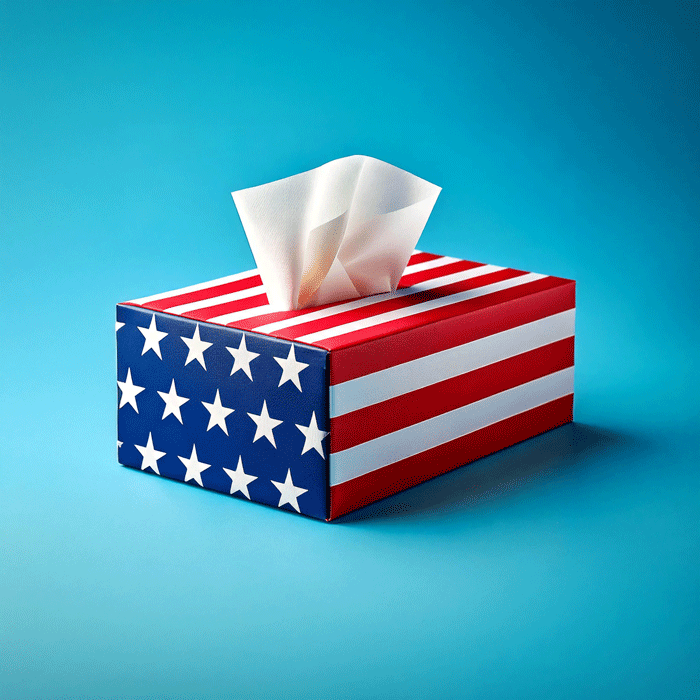
There's a particular kind of exhaustion that sets in when the world feels politically charged and out of control. You might notice it after a tense election cycle, a news week that won't quit, or a conversation with a family member that left you feeling unsettled for days afterward.
It's not weakness. It's not an overreaction. It's a very human response to living in a time when the stakes feel high and the noise never stops.
Whether you're reading this in the aftermath of an election or simply in the middle of another news cycle that's taken up more emotional space than you wanted to give it — this is for you.
Why Political Stress Hits So Hard
Politics isn't just abstract policy. For most people, it's personal. The issues being debated — healthcare, safety, identity, family, the future — touch the things we care most about. When the outcome of elections or legislation feels like it could directly affect your life or the lives of people you love, the nervous system responds accordingly. It goes on alert.
Add to that the relentlessness of news cycles, social media algorithms designed to keep you engaged through outrage, and the political divisions that have made dinner tables and family group chats feel like minefields — and it makes complete sense that many people end up emotionally depleted, anxious, or quietly grieving.
There's also a grief component that often goes unacknowledged. When an election doesn't go the way you hoped, or when you watch institutions you believed in feel unstable, that's a form of loss. It's okay to grieve it.
What This Can Look Like
Political anxiety and stress don't always announce themselves clearly. They can show up as:
A low-level dread that's hard to name
Difficulty concentrating or being present
Irritability or emotional reactivity that catches you off guard
Withdrawal from people who hold different views — including family
Doom-scrolling even when you know it's making you feel worse
A sense of helplessness or hopelessness about the future
Physical symptoms like tension, headaches, or disrupted sleep
If any of these feel familiar, you're not alone — and you're not overreacting.
What Helps
Limit news consumption intentionally, not guiltily. There's a difference between staying informed and staying saturated. Checking news once or twice a day — at a set time, not first thing in the morning or before bed — is enough to stay informed without letting the news cycle run your nervous system. You don't have to earn rest by consuming more.
Focus on your sphere of influence. Political anxiety often feeds on the gap between what you care about and what you can actually control. Narrowing your focus to what you can do — voting, volunteering locally, having honest conversations in your own community, supporting causes you believe in — doesn't mean giving up. It means directing your energy somewhere it can actually land.
Name what you're feeling. Anxiety, grief, helplessness, anger — these are all valid responses to a world that feels uncertain. Naming them, even just to yourself or in a journal, takes some of their power away. Emotions that are acknowledged don't have to work as hard to get your attention.
Protect your relationships. Political stress has a way of bleeding into personal relationships, especially with people who see things differently. If a conversation has become a pattern of pain rather than genuine exchange, it's okay to set limits around it. You can love someone and decline to argue with them about politics at every family gathering.
Stay grounded in your body. When the mind is spinning, the body is the fastest way back to the present moment. Movement, breath, time outside, physical routines — these aren't indulgences. They're what your nervous system needs when it's been on high alert.
Talk to someone. If political anxiety is affecting your sleep, your relationships, your ability to function, or your sense of hope — that's worth talking about with a therapist. Not because something is wrong with you, but because you deserve a space to process what you're carrying without having to manage anyone else's reaction to it.
When It's More Than Stress
For some people — particularly those from marginalized communities, or those with existing anxiety, depression, or trauma — political uncertainty can trigger something deeper. If what you're experiencing feels less like stress and more like a resurgence of old wounds, a return of depression, or a sense of genuine despair, please don't wait it out alone.
Anxiety therapy and depression therapy can both help when political stress has crossed into something harder to carry. So can trauma therapy if the current climate is activating past experiences of feeling unsafe or unprotected.
You're Allowed to Feel This
The world is a lot right now. It has been for a while. Whatever you're feeling — anger, grief, numbness, exhaustion, or just a bone-deep tiredness of it all — that's a legitimate response to real circumstances.
You're not required to stay calm. You're not required to be politically engaged at all times. And you're not required to process this alone.
If you're in Missouri, Kansas, or Arizona and you'd like support navigating what you're carrying, I'd be glad to talk. Reach out here to schedule a free 15-minute consultation.
Sara Wilper is a licensed therapist in Kansas City specializing in grief and trauma therapy. She works with adults navigating anxiety, emotional exhaustion, and the weight of living in uncertain times.