
5 Common Myths About Online Therapy (And the Truth)
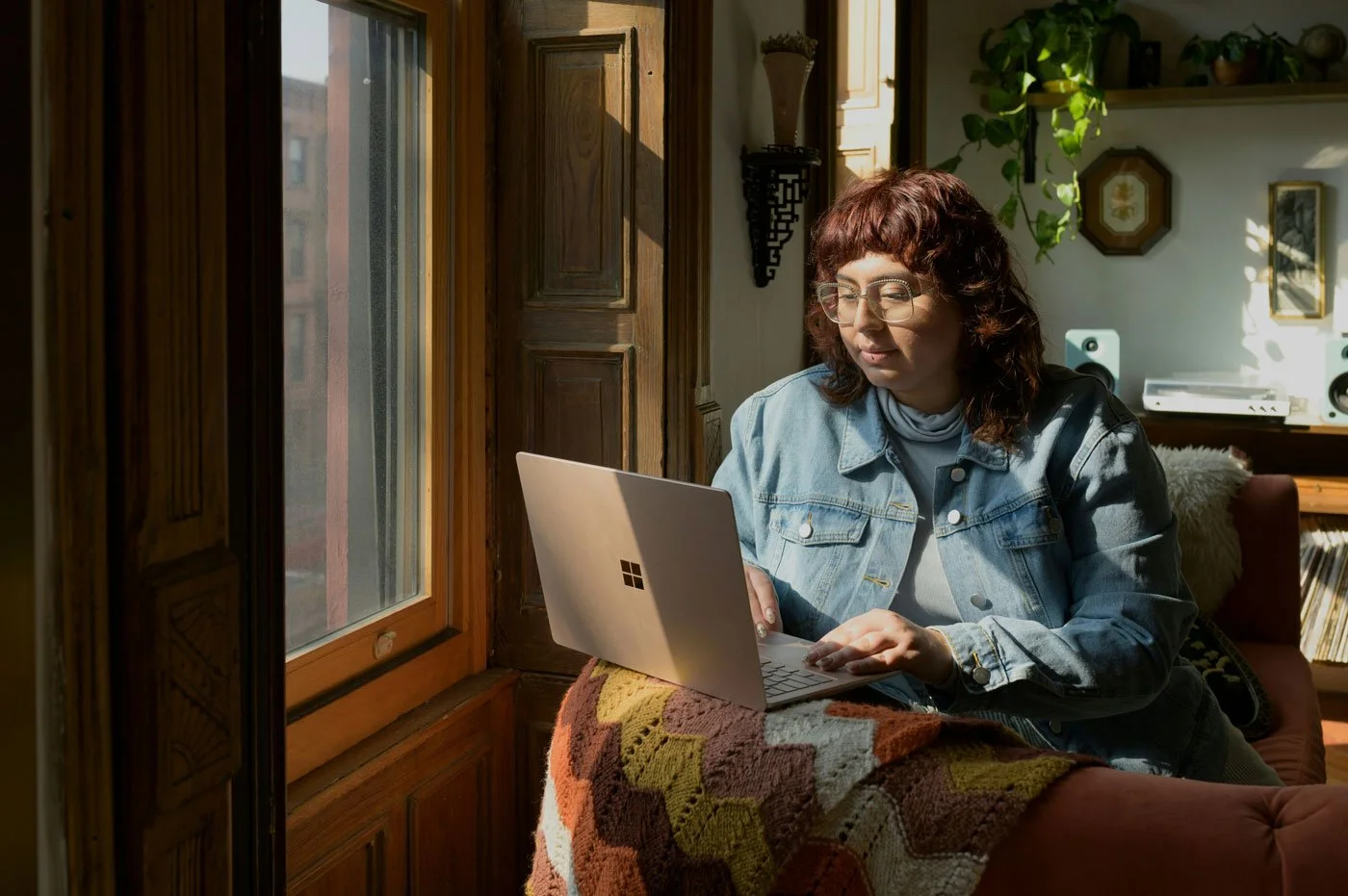
Online therapy has been around long enough that the research is clear: it works. But the hesitation is still real. If you've been talking yourself out of trying it, here's an honest look at what's actually true — and what isn't.
Myth #1:
"It's Not as Effective as In-Person Therapy"
This is the big one, and it's the most thoroughly debunked. Decades of research — including studies on trauma, depression, anxiety, and grief — consistently show that online therapy produces outcomes comparable to in-person care. The modality changes. The quality of the work doesn't have to.
What actually determines how effective therapy is? The relationship between client and therapist. The fit. The trust. The consistency. None of that requires you to be in the same room.
For many people, virtual therapy is actually more effective — because it removes the barriers that kept them from showing up consistently in the first place.
Myth #2:
"It Doesn't Feel Personal — There's No Real Connection"
I hear this one a lot, usually from people who haven't tried it yet. What I hear from clients who have? The opposite.
Doing therapy from your own space — your home, your car, wherever you feel most at ease — often allows people to open up more quickly than they would sitting across from someone in an office. There's something about being in a familiar, comfortable environment that lowers the guard in a useful way.
Connection happens through presence, attention, and genuine care. A screen doesn't prevent any of that. And for clients who are navigating grief or trauma, being in a space that already feels safe can make the work feel more accessible, not less.
Myth #3:
"My Information Isn't Private Online"
Privacy is a legitimate concern, and it's worth taking seriously — which is exactly why therapists who offer telehealth are required to use HIPAA-compliant platforms. This isn't Zoom or FaceTime. It's encrypted, secure software built specifically for healthcare settings.
Your sessions, your records, and everything you share stay protected — just as they would in an in-person setting. If you have specific questions about how a therapist handles your information, ask them directly. Any reputable provider will be happy to walk you through it.
Myth #4:
"It's Too Complicated — I'm Not Good With Technology"
The bar is lower than you think. If you can make a video call, you can do online therapy. Most telehealth platforms are simple, browser-based, and don't require any downloads or accounts. You'll typically get a link before your session, click it, and you're in.
If something isn't working — bad connection, camera trouble, audio issues — your therapist has dealt with it before. A technical hiccup at the start of a session isn't the end of the world. We figure it out, and we start.
Myth #5:
"It's Only Good for Minor Issues — Real Problems Need In-Person Care"
This one matters to address directly, because it keeps people with serious needs from accessing real support.
Online therapy is used effectively for PTSD, complex trauma, grief, depression, anxiety, and more. Approaches like EMDR — one of the most evidence-based treatments for trauma — can be delivered virtually with strong results. The depth of the work is determined by the therapist's training and the strength of the therapeutic relationship, not the location of the session.
There are some situations where in-person care is clinically necessary — active crisis, certain psychiatric needs, circumstances that require hands-on support. But for the vast majority of adults seeking therapy for trauma, grief, anxiety, or life transitions, virtual therapy is not a lesser option. It's just a different delivery.
So What's Actually Stopping You?
For most people, the real barrier to online therapy isn't logistics or technology. It's the same thing that keeps people from seeking any kind of therapy: uncertainty about whether it will help, whether it's worth the cost, whether this is the right time.
If you're sitting with those questions, I wrote something that might help: 5 Reasons People Put Off Therapy — And Why Now Is the Right Time.
Ready to Try It?
I offer online therapy to adults across Missouri and Kansas — including clients in the Kansas City area, Overland Park, Wichita, St. Louis, and beyond. I specialize in grief, trauma, and helping people get unstuck from patterns that have been running quietly in the background for too long.
A free 15-minute consultation is a low-stakes way to see if we'd be a good fit. No commitment, no pressure — just a real conversation.
→ Schedule your free consultation at sarawilpertherapy.com
Sara Wilper is a licensed clinical social worker offering online therapy in Missouri and Kansas. She specializes in grief, trauma, and EMDR therapy — and has been helping adults navigate hard things for over 25 years.