
Healing from Childhood Trauma: Strategies to move forward
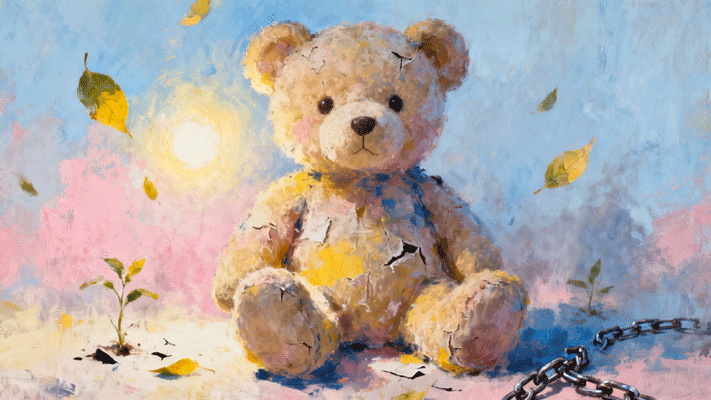
Strategies for Healing from Childhood Trauma and Moving Forward
Trauma from childhood leaves a deep imprint—one that often shows up years later as anxiety, people-pleasing, perfectionism, or that constant sense of being “too much” or “not enough.” And while the past can feel heavy, healing is possible. The healing process isn’t about pretending the hurt didn’t happen; it’s about finally giving yourself the safety, support, and space you never had back then.
If you’re exploring how to heal from childhood experiences, you’re already taking a brave step toward emotional well-being and a healthier future.
Understanding Your Trauma
Trauma can come from many experiences: emotional neglect, chaotic family systems, abuse, unpredictable caregivers, witnessing violence, or simply growing up in a home where your feelings weren't safe. Trauma isn’t defined by the event itself—it’s defined by how overwhelmed and alone you felt in the moment.
When those early wounds aren’t addressed, they shape adult patterns:
Difficulty trusting others
Trouble setting boundaries
Low self-worth
Hyper-independence
Emotional shutdown or emotional reactivity
Chronic anxiety or depression
You’re not “broken.” Your brain and body simply adapted to survive.
How it Affects You as an Adult
Because this type of trauma happens during key developmental years, it impacts how you see yourself, how you move through the world, and how you connect with others.
Common effects include:
Nervous system dysregulation
You might feel constantly “on edge,” overwhelmed, or numb.
Challenges in relationships
Maybe you over-give, avoid conflict, stay in unhealthy relationships, or fear intimacy.
Emotional triggers
Small moments can activate big reactions because your brain learned to stay alert for danger.
Difficulty trusting yourself
If you weren’t allowed to have feelings or needs, it’s hard to know what you want now. These responses aren’t character flaws—they’re survival strategies.
Strategies for Healing from Childhood Trauma
Healing is a layered process. You don’t need to tackle everything at once, and you don’t need to do it alone. Here are supportive, evidence-informed steps you can take:
Validate Your Story
The first step in the healing process is acknowledging that what you experienced was trauma. Even if your childhood “looked fine from the outside,” emotional neglect or inconsistency can be just as damaging.
Your feelings make sense. Your story matters.
Learn Your Triggers and Patterns
Notice what sets off emotional reactions—conflict, criticism, silence, being ignored, being needed too much, or unpredictable people.
Awareness isn’t meant to shame you; it’s meant to give you choice. When you can name a trigger, you can respond instead of react.
Practice Self-Compassion
Harsh self-talk is often an echo of childhood. Replacing it with kindness helps rebuild emotional well-being.
Try asking: “What would I say to a friend who felt this way?”
If you wouldn’t talk to someone you love like that, you don’t deserve it either.
Strengthen Your Boundaries
Boundaries aren’t walls—they’re clarity. And clarity is healing.
Practice small boundaries first:
“I need a minute.”
“Let me think about that.”
“I’m not available right now.”
Over time, boundaries help your nervous system feel safer.
Use Trauma-Focused Therapy
Healing with support from a therapist removes the pressure to figure it all out on your own.
Approaches like EMDR, parts work, and trauma-informed therapy help you:
Reprocess old memories
Reduce emotional triggers
Regulate your nervous system
Build resilience
Strengthen your sense of self
You don’t have to relive every memory to heal. We focus on helping your mind and body feel safe again.
Build a Support System
You deserve people who treat you with consistency, kindness, and respect. Whether it’s friends, chosen family, support groups, or therapy—healthy connection is medicine for old wounds.
Celebrate Small Wins
Healing doesn’t look like one big moment. It looks like subtle shifts:
Saying no without guilt
Feeling safe in your body for a few more minutes
Not spiraling after someone is upset
Choosing rest instead of burnout
Those are victories. They add up.
Moving Forward with Resilience
Recovery from trauma that occurs during childhood isn’t about becoming a different person—it’s about returning to who you were before you had to protect yourself. With compassion, therapy, and consistent support, you can build resilience and create a life that feels steady, grounded, and fully your own.
You don’t have to navigate this alone. If you’re ready to begin your healing process, Sara Wilper therapy can provide structure, tools, and a safe place to grow.